

If you host a show, you have probably seen headlines about the IT rules 2026 for podcasters India. Some say podcasters will be treated like news publishers. Others say nothing changes. Neither is quite right, and the gap between a draft and a rule in force is where most articles go wrong. The new IT rules 2026 for YouTubers, and the wider influencer regulation India 2026 debate, touch audio shows too, so here is a plain-English explainer from us at Oskillo Studio in Jaipur. It is general information, not legal advice.
Key takeaways
- The Second Amendment Rules, 2026 were released as a draft on 30 March 2026. They are not binding yet.
- The draft’s focus is news and current affairs content. Individuals posting such content could come under Part III of the IT Rules.
- The practical effect is on blocking and oversight, not a registration requirement for creators.
- Sponsor disclosure is a separate matter. It comes from ASCI guidelines and consumer law, and it applies today.
- A few habits, such as source notes, guest consent forms and saved recordings, protect you whatever the final rules say.
Is the IT Rules Second Amendment 2026 in force or still a draft?
It is still a draft. The Ministry of Electronics and IT (MeitY) released the draft Second Amendment Rules on 30 March 2026. A law-firm note from April 2026 said it was at the consultative stage and could still change. We found no confirmation that it has been finalised.
The consultation was also extended. The original 14 April deadline was pushed back after industry and civil-society representations. Here is how the different pieces stand:
| Item | Status | Who it binds |
|---|---|---|
| Second Amendment Rules, 2026 (news content) | Draft, released 30 March 2026 | Would reach intermediaries and users posting news content |
| First 2026 amendment | In force since 20 February 2026 | Platforms. Government directions are due in 3 hours (earlier 36), and one 24-hour deadline is now 2 hours |
| 2023 fact-check amendments | Struck down by the Bombay High Court. The Supreme Court agreed to hear the Centre’s appeal but did not stay that ruling | The Bombay High Court ruling has not been stayed |
| 2024 Broadcasting Bill | We found no sign it has passed | Nothing yet |
The shorter takedown windows in the first row are described by Legal 500. They bind platforms such as YouTube and Instagram, not you directly. But faster platform action means less time for you to react.
IT rules 2026 for podcasters India: what the draft changes
The draft’s main change is to Rule 8(1). A new proviso applies Part III of the IT Rules to news and current affairs content hosted by intermediaries and by users who are not publishers, as SFLC.in explains. In short, a podcaster posting news-style talk could be pulled into that framework.
Until now, individuals mostly sat outside Part III. The rules left out anyone not sharing content as part of a systematic business, professional or commercial activity. According to Buzz in Content, the draft removes that protection for anyone posting content that qualifies as news or current affairs. Nikkei Asia reported on 20 April 2026 that India is seeking to widen regulation to influencers, podcasters and others sharing news-related content.
What would that mean in practice? Mostly blocking and oversight. Part III used to reach intermediaries only for blocking under Rules 15 and 16. The draft extends it to Rule 14, the Inter-Departmental Committee and the Ministry of Information and Broadcasting’s Code of Ethics framework under the digital media ethics code, per Candour Legal. Directions could include emergency blocking of news content posted by users. We found no creator-level penalties in the coverage of the draft.

There is a platform-side change too. A proposed Rule 3(4) would make compliance with MeitY advisories and directions part of a platform’s due diligence. Non-compliance could cost a platform its safe harbour, so platforms may act quickly and cautiously on flagged videos.
What counts as news and current affairs content?
The draft does not give creators an easy line. Critics say the definition is too wide. SFLC.in argues that applied to ordinary users, it would regulate almost all public-interest commentary. So treat this as an open question, not a settled one.
Nothing we have seen says a cooking, fitness, finance-education or storytelling show is “news”. But the more your episode talks about current events, government action or civic issues, the closer it sits to the line. Here is a quick self-check we suggest:
- Look at the topic. Does the episode report or comment on recent events, such as local politics, civic issues or government decisions?
- Look at the framing. Are you presenting facts as they happened, or giving a personal view, a story or a lesson?
- Look at your sources. Can you point to where each factual claim came from, with a link or a date?
If you answer yes to the first and no to the third, fix the third. Add source notes to the show description and keep them. That habit takes very little time per episode and helps under almost any version of the rules.
Business-owner hosts are in a different position. A brand show about your own products, such as a Jaipur jeweller or CA talking about their field, is mostly not news. Even so, keep an eye on episodes where you comment on current events or government decisions.
Can the government take down your video, and who has to act?
Under the rules already in force, the platform acts, not you. Since 20 February 2026, platforms must comply with government directions within 3 hours, down from 36, according to Legal 500. The draft would add emergency directions on news content posted by users.
Safe harbour is the legal protection that stops a platform being held liable for what users post. It is conditional on following the rules. If the proposed Rule 3(4) comes in, ignoring MeitY directions could cost a platform that protection. So a platform may remove a flagged episode first and sort things out later.
The coverage we read does not explain what notice, if any, a creator would get before a takedown. We will not guess. What you can control is your preparation:
- Keep the platform’s appeal or grievance option handy, and use it quickly if an episode is removed.
- Keep your unedited recording, final export and show notes in your own storage, not only on the platform.
- Save any notice or email you receive, with the date.
Sponsored content disclosure in India: how do you label a podcast episode?
Tell your audience clearly, and tell them early, whenever you have a paid or material connection with a brand. This comes from ASCI’s influencer guidelines and the Consumer Protection Act endorsement guidelines, not the IT Rules. It applies to you today, whatever happens to the draft.
“Material connection” is wider than cash. Qolab’s summary of the ASCI rules lists free products, discounts, gifts, trips, contest entries, media barters and even unsolicited parcels.
| Situation | Disclose? |
|---|---|
| Brand pays you to talk about a product | Yes |
| Brand sends a free product you then mention | Yes |
| You share a discount code you earn from | Yes |
| Brand covers a trip or stay | Yes |
| You mention a product you bought yourself, with no link to the brand | No connection to disclose |
Placement matters. The label should be upfront, not tucked into your bio, hidden behind a “more” fold or buried in a hashtag wall. For a podcast, we suggest two layers: a spoken line in the episode and a written line at the top of the description. A simple script is to name the brand, then add: “We were paid to talk about them, and the views are still ours.”
Finance and health creators carry extra duties. Per this ASCI explainer, investment advice should come with SEBI registration details, and health claims need disclosed qualifications.
Creator compliance checklist India: what to do for your podcast
A good checklist covers four things: what you say, who says it, what you keep and how you label money. None of it is a government registration. These are habits that protect you under the current rules and most versions of the draft.
- Sort your episodes. Mark each one as news-style (current events, civic issues, government action) or evergreen (advice, stories, business, lifestyle).
- Add source notes. Link or date every factual claim in the show description.
- Get guest consent in writing. A short guest release form for your podcast, signed before recording, covering publishing, clips and reels.
- Disclose sponsors twice. Say it aloud and write it at the top of the description.
- Keep your archive. Store the raw recording, final edit, show notes and sponsor emails.
- Know the takedown route. Note the platform’s appeal steps before you ever need them.
- Check your field’s extra rules. SEBI details for finance, disclosed qualifications for health.
How we handle this at Oskillo Studio
At Oskillo Studio in Vaishali Nagar, Jaipur, we build these habits into the normal workflow. We are a studio, not a law firm, so we do not give legal advice. But the way a show is planned and recorded makes compliance much easier.
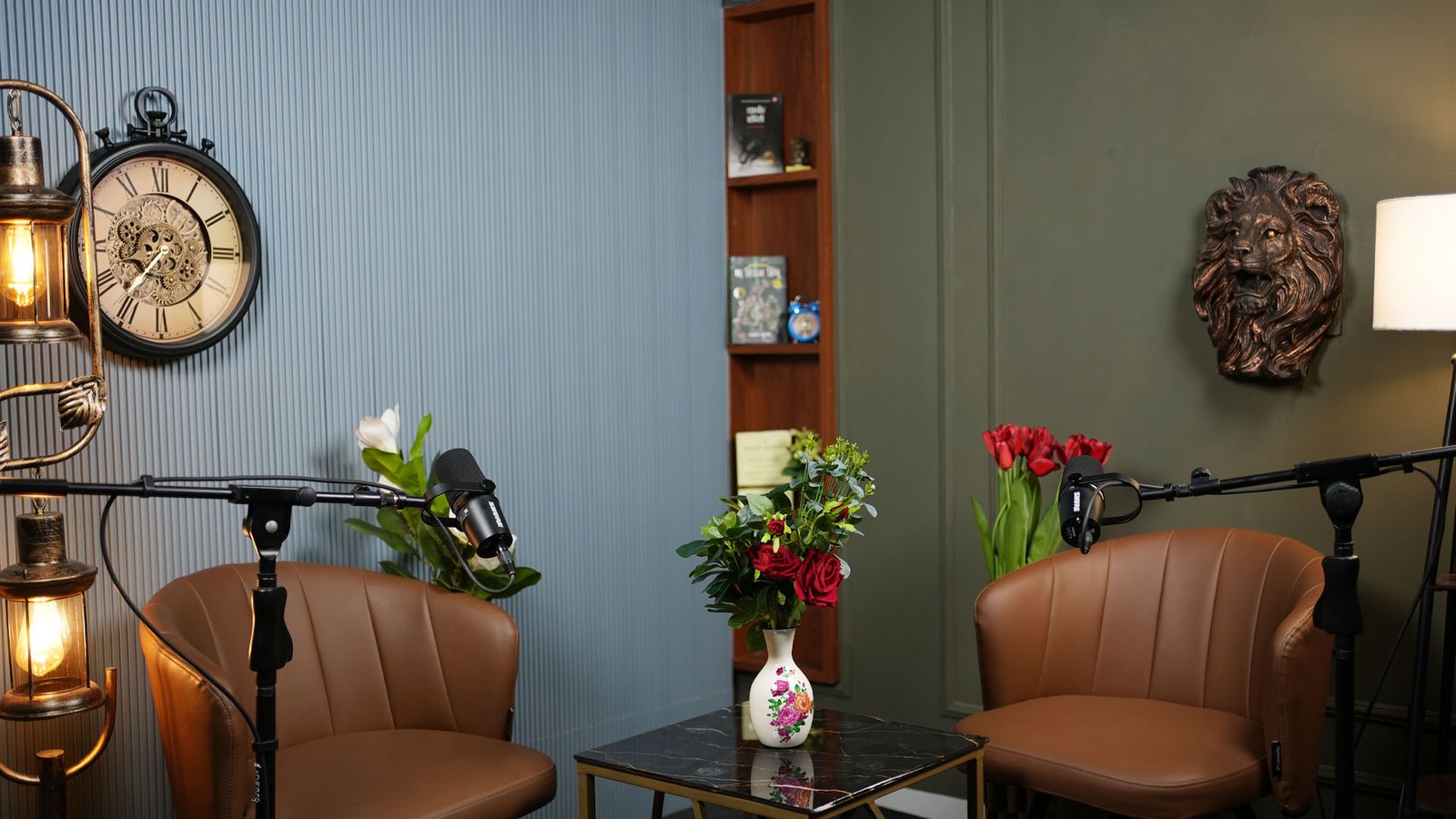
- Pre-production. When we go through your question flow, it is a good time to mark which episodes are news-style and which facts need a source.
- Production. Our founders are present at every shoot. We record in 4K multicam with live monitoring, and we can talk through how you will store your raw files before the shoot.
- Post-production. If you give us a sponsor line, we can place it in the edit, and captions and platform exports follow. A podcast edit costs Rs 3,000, and the Complete Podcast Edit is Rs 10,000.
Studio time starts at Rs 2,000 per hour. See our podcast studio pricing in Jaipur or our studio rental service. Bring your own guest release form and get it signed before recording starts. For booking, message us on WhatsApp.
Frequently asked questions
Do the new IT rules apply to podcasters in India?
Not yet. The Second Amendment Rules, 2026 are a draft released on 30 March 2026. If finalised as drafted, they would bring users who post news and current affairs content under Part III of the IT Rules. Shows that stay with business, lifestyle or entertainment are less exposed.
Are YouTubers treated as news publishers under the draft IT Rules 2026?
The draft does not call them publishers. It applies Part III to news and current affairs content posted by intermediaries and by non-publisher users. So a YouTuber posting news-style content could face blocking and oversight, but we found no coverage describing creator-level penalties.
Is the IT Rules Second Amendment 2026 in force or still a draft?
It is still a draft. MeitY released it on 30 March 2026, the consultation deadline was extended, and law-firm notes from April 2026 said it could still change. A separate first 2026 amendment is already in force since 20 February 2026 and mainly shortens platform takedown timelines.
Kya podcasters ko apna channel government ke paas register karna padega?
The coverage we found of the 2026 draft does not say individual creators must register or appoint a grievance officer. Those ideas came from the 2024 Broadcasting Bill, and we found no sign it has passed. Always check the latest official notice before you act.
How do I disclose a sponsored podcast episode in India?
Say it clearly and early, in the audio or video and in the description. ASCI’s influencer guidelines and the Consumer Protection Act endorsement guidelines require disclosure of paid or material connections. Do not hide the label in your bio, behind a ‘more’ fold or in a hashtag wall.
What is safe harbour, and how does it affect creators?
Safe harbour protects platforms from liability for what users post, as long as they follow due diligence rules. The draft’s proposed Rule 3(4) ties that protection to following MeitY directions. For creators, it means platforms may act quickly on flagged videos, so keep your records ready.
What is a material connection under ASCI rules?
It is broader than money. According to creator-compliance guides, it includes free products, discounts, gifts, trips, contest entries, media barters and even unsolicited parcels. If it could influence how viewers see your recommendation, disclose it.
Book your session at Oskillo Studio
Soundproof sets, 2 Sony 4K cameras, Shure mics and an on-site technician in Vaishali Nagar, Jaipur. Studio rent starts at Rs 2,000 per hour.
WhatsApp +91 96101 80066 | See all prices | 3rd Floor, VR Theme Park, Gandhi Path, Vaishali Nagar, Jaipur